How it works
- Overview
The French system follows nationally defined programmes from maternelle through lycée. French schools abroad can receive official homologation confirming that their teaching follows French national programmes, objectives and organizational standards.
- How it works
Students move through maternelle, École élémentaire, collège and lycée. Learning is organized into national cycles and becomes increasingly specialized at upper-secondary level. Students complete the Baccalauréat in lycée for university entry.
- School stages
Maternelle; École élémentaire; Collège; Lycée
- Primary stage
National programmes emphasize French language, mathematics, sciences, humanities, arts, physical education and progressive competency development.
- Middle stage
Collège provides a broad common curriculum across languages, mathematics, sciences, humanities, technology, arts and physical education.
- Secondary stage
Lycée students follow general or other applicable routes, with common study plus specialization. The final years prepare students for the Baccalauréat.
- Main subjects
French; Mathematics; History-Geography; Sciences; Languages; Philosophy; Physical Education; Arts; specialized lycée subjects; Arabic/local subjects in Egypt where applicable
Teaching and exams
- Teaching style
Structured national programmes with strong language, analytical writing, subject knowledge and progressive specialization.
- Student workload
Moderate to high, increasing in lycée and during Baccalauréat preparation.
- Homework style
Regular written exercises, reading, essays, problem solving, research and examination preparation.
- Assessment style
Continuous school assessment plus formal national examinations and qualification components at secondary level.
- Final exams
Yes. The French Baccalauréat includes formal national examination components alongside assessed coursework/continuous elements under current rules.
- Grading system
Typically 0–20; 10/20 is generally the passing benchmark, with honours classifications at higher averages.
University and recognition
- University entrance qualification
The Baccalauréat is France’s standard higher-education entrance qualification and is widely used for admission internationally.
- Recognition in Egypt
French-system qualifications from recognized schools can be used under Egypt’s foreign-equivalent certificate admission framework.
- Egyptian university requirements
Students should follow current Egyptian equivalency and faculty-subject requirements for the French Baccalauréat. Requirements can change by admission year and university sector.
- International recognition
Very high in France and the Francophone world and broadly recognized by universities internationally.
Is it right for your child?
- Best suited for
Students comfortable studying primarily in French; families considering France, Francophone universities or internationally recognized European qualifications.
- Advantages
Strong official national framework; excellent route to French higher education; strong language and analytical skills; internationally portable within the French-school network.
- Things to consider
High French-language proficiency is important. Families should distinguish fully homologated French schools from schools that simply teach French or offer a French section.
- Main cities in Egypt
Cairo; New Cairo; Alexandria; Greater Cairo
- Schools offering this system
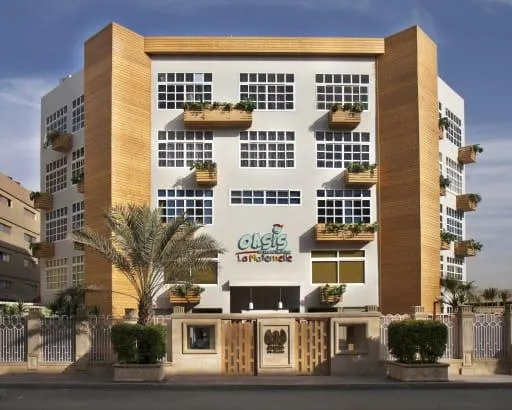
Lycée Français du Caire; École Oasis Internationale; Lycée International Nefertari; other French or officially homologated schools.